
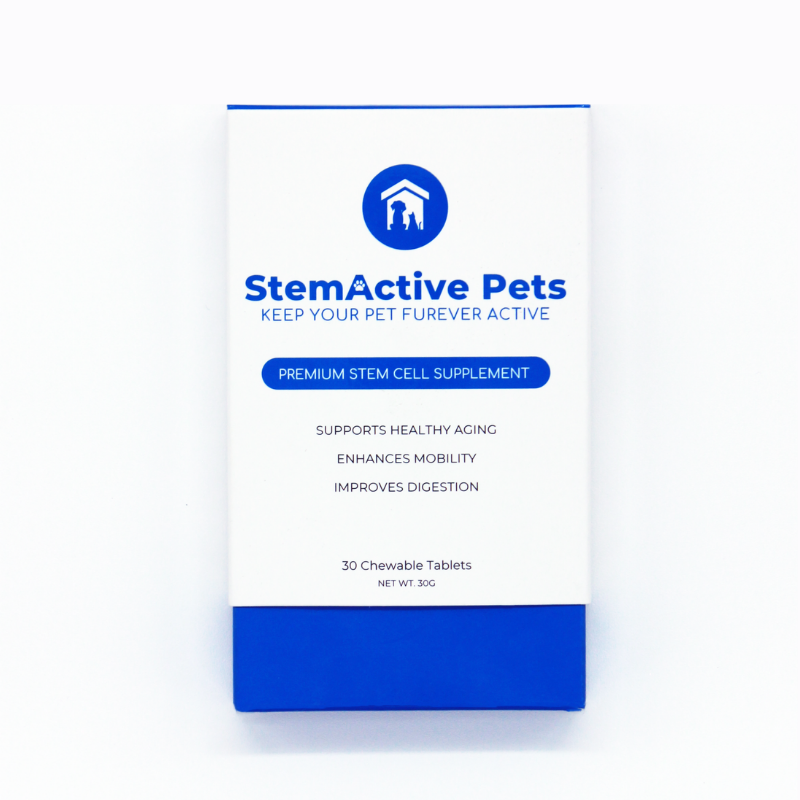
When the first cold snap hits, many dog owners ask the same question: how cold is too cold for a dog? It depends on your dog’s size, coat, age and health, and on wind, wet fur and how long you stay out. This guide is written for owners of senior dogs who keep up a daily wellness routine, including an optional daily chewable tablet like StemActive Pets, and need a practical starting point for colder days, plus the signs it is time to head inside.
FurEverYoung.shop is operated by All In Enterprises, LLC, independent HealthyHome distributors. The product is StemActive Pets. HealthyHome owns and fulfills it. We do not. We may earn a commission when you shop or join through our links. This is pet wellness education only, not veterinary advice. These statements have not been evaluated by the Food and Drug Administration. This product is not intended to diagnose, treat, cure, or prevent any disease.
The short answer
The American Veterinary Medical Association’s cold-weather safety page says cold tolerance varies with coat, body fat, activity level and health, and that no pet should be left outside for long periods in below-freezing weather. A practical starting point:
- Around 45°F: Most healthy adult dogs can take a normal walk. Short-coated, small, senior and very young dogs may already need a coat or a shorter outing. The American Kennel Club suggests considering a sweater or coat for short-haired dogs below 45°F, and factoring in wind chill.
- At or below freezing (32°F): Shorten walks for every dog. On the AKC, Dr. Sarah Wooten recommends keeping small-dog outings below 32°F to about 10 to 15 minutes.
- Wind chill below 20°F: The AKC’s general recommendation is to keep playtime to 15 to 20 minute sessions, then let the dog warm up inside. For senior, small and short-coated dogs, a bathroom break may be enough.
Watch the dog, not only the number. Wind, rain and wet fur make the same air temperature feel much colder. If you are unsure about your dog’s limits, ask your veterinarian.
Why some dogs get cold faster than others
The AVMA notes that long-haired and thick-coated dogs, including breeds developed for cold climates, tend to be more cold-tolerant, but they are still at risk. Short-haired dogs feel the cold sooner because they have less insulation, and short-legged dogs can chill faster because their bellies are more likely to touch snow-covered ground. A small dog also loses heat faster than a large one. Very young and very old pets, underweight dogs, and dogs with certain health conditions can have a harder time regulating body temperature, so ask your veterinarian for limits that fit your own dog.
How cold is too cold for a senior dog?
Senior dogs of every breed and size are more susceptible to the cold than healthy adults, a point the AKC’s guide to dog winter coats makes clearly. Many owners first notice it when a dog who used to trot through a 40°F morning now wants to turn around early. If you are not sure whether your dog is in the senior years yet, see when a dog is considered a senior.
Treat a senior dog the way you would treat a short-coated or small dog: add a coat sooner, keep outings shorter, and go inside at the first sign of discomfort. The AVMA notes that older pets may have more difficulty walking on snow and ice and may be more prone to slipping, so a well-cleared path and a slower pace help.
Signs your dog is too cold
Your dog’s behavior is a better guide than any chart. The AVMA says to get your pet back inside quickly if they are whining, shivering, seem anxious, slow down or stop moving, seem weak, or start looking for warm places to burrow. Those can be signs of hypothermia. Cornell’s Riney Canine Health Center also lists tail tucking or a hunched posture, lifting paws off the ground and reluctance to walk. You can read the full list in Cornell’s winter safety tips.
Frostbite is harder to spot in the moment and may not be obvious until a few days later. Check the ears, paws and tail. If you suspect hypothermia or frostbite, consult your veterinarian immediately, and do not rub the skin or apply direct heat, such as a hair dryer or heating pad, while you wait for advice.
How to make winter walks safer
If your dog has a short coat, is a senior, or seems bothered by the cold, the AVMA suggests a sweater or dog coat. Keep more than one on hand so you can use a dry one each time; a wet coat can make a dog colder, not warmer. Booties can protect paws from ice, salt and cold pavement if they fit well and your dog will walk in them.
Check paws during and after a walk for cracked pads or ice packed between the toes. Clipping the hair between the toes can reduce iceball buildup. When you get back inside, wipe the feet, legs and belly. De-icing products and antifreeze can make a dog sick if they are licked off the fur, so use a pet-safe de-icer at home when you can and clean up spills right away.
Stay away from frozen ponds, lakes and other water; you cannot reliably tell whether the ice will hold your dog. A parked car is not a warm shelter, so do not leave a dog there on a cold day. Dogs still need daily movement in winter, just in shorter outings. Our guide to exercise for senior dogs has low-impact ideas for days when a full walk is too much.
Keeping your senior dog’s daily routine going in winter
Colder days often mean shorter walks and more time indoors, but a senior dog still does better with a steady daily rhythm. Keep the parts that do not depend on the weather — meal times, fresh water, a comfortable place to rest, and any optional daily habits you already use — on the same schedule, even when the outing is just a quick bathroom break. The AVMA also recommends keeping cats and dogs inside during cold weather, with a warm, dry place to rest off cold tile. Extra body weight is not a reliable way to “insulate” a dog; see how to tell if your dog is overweight.
If StemActive Pets is part of that wellness routine, give the chewable tablet at the usual time and follow the serving on the label. It is positioned for wellness support, including joint and mobility wellness, as part of everyday care. It is not a medicine, it does not keep a dog warm, and it does not replace a coat, a shorter walk, or veterinary care.
Where StemActive Pets fits
A winter routine is still a daily routine: veterinary visits, a balanced diet, movement that matches the weather and a home that is easy to get around. StemActive Pets is HealthyHome’s optional daily chewable tablet for pets, positioned for wellness support, including joint and mobility wellness, as part of that routine. It is not a medicine and does not replace veterinary care, a coat, or shorter walks in the cold. Read the label on the package you receive. For habit tips, see StemActive Pets for dogs and stem cell support for senior dogs.
StemActive Pets is HealthyHome’s optional daily chewable tablet for pets, for wellness support, including joint and mobility wellness, as part of a daily routine. It is not a medicine and does not replace veterinary care, a winter coat, or shorter walks in the cold.
How cold is too cold for a dog FAQ
How cold is too cold for a dog?
There is no single cutoff. Use about 45°F as a caution point for short-coated, small, senior and very young dogs, shorten every dog’s outing at or below freezing, and keep time outside very short when the wind chill is below 20°F.
How cold is too cold for a senior dog?
Senior dogs often feel the cold sooner than healthy adults. Many do better with a coat near 45°F, shorter walks at or below freezing, and a trip inside at the first sign of shivering, lifted paws or wanting to turn around.
Do all dogs need a winter coat?
No. Thick-coated and cold-adapted breeds may be comfortable without one in moderate cold, but no dog should be left outside for long periods in below-freezing weather. Short-coated, small, senior and very young dogs are most likely to benefit from a dry coat.
How long can a dog stay outside in freezing weather?
It depends on the dog. A common starting point for small dogs below 32°F is 10 to 15 minutes. No dog should be left unattended in freezing weather.
Does StemActive Pets keep a dog warm or replace veterinary care?
No. StemActive Pets is an optional daily chewable tablet that sits beside a balanced diet, exercise and regular veterinary visits. It does not take the place of a coat, shorter winter walks or a call to your veterinarian.
Shop or Join (All In Enterprises, LLC)
HealthyHome handles payment, shipping, and fulfillment. All In Enterprises, LLC are independent distributors.
Shop StemActive Pets · Join & Get Member Pricing
Shop for customer pricing. Join for member pricing and the optional ability to share; earnings are never guaranteed. Many members enroll only for pricing.