
Skip to content

714 814-8896

info@fureveryoung.shop

HealthyHome StemActive Pets Logo

FurEverYoung.shop

Natural Plant-Based Stem Cell Activator for Pets | Dog & Cat Health Supplement

  • Join & Get Member Pricing
  • Shop / Place an Order
  • Join & Get Member Pricing
  • Shop / Place an Order
Place an Order

Category Archives: Uncategorized

  1.   »  
  2. Category Archives: Uncategorized

Category: Uncategorized

Exercise for Senior Dogs: How Much, What Kind and When to Ease Off

Exercise for Senior Dogs: How Much, What Kind and When to Ease Off

October 21, 2026October 21, 2026 FurEverYoungUncategorized

Older dogs still want their walks. They just may not want the same walk they took at four years old. If you searched exercise for senior dogs, you are probably trying to find the line between keeping your dog moving and overdoing it. This guide covers how much is reasonable, which kinds of activity are easiest on an aging body, the warning signs that mean you should ease off, and where an optional daily chew like StemActive Pets fits alongside the routine, not in place of it.

FurEverYoung.shop is operated by All In Enterprises, LLC, independent HealthyHome distributors. The product is StemActive Pets. HealthyHome owns and fulfills it. We do not. We may earn a commission when you shop or join through our links. This is pet wellness education only, not veterinary advice. These statements have not been evaluated by the Food and Drug Administration. This product is not intended to diagnose, treat, cure, or prevent any disease.
The short answer

Most senior dogs do best with daily, moderate, low-impact activity spread across the day: two or more shorter walks rather than one long outing, plus a little play or sniffing time. There is no single number that fits every older dog. A healthy 9-year-old Labrador and a 14-year-old Chihuahua with a heart murmur need very different plans, which is why the first step is a check-up with your veterinarian before you raise or change the routine.

Start with a vet check, then set a baseline

The American Veterinary Medical Association’s advice on walking or running with your dog starts in the same place: make sure your pet is healthy enough for the plan and tailor it to their needs. Older dogs are more likely to have heart, breathing, weight or joint issues that change what “enough” means.

Once your vet has cleared your dog, set a simple baseline for one week. Note how long your dog walks comfortably, how fast they recover, and how they move the next morning. That baseline is more useful than any chart, because it is your dog’s own.

How much exercise does a senior dog need?

For a healthy older dog, many owners land somewhere around 30 to 60 minutes of total activity a day, split into sessions. For dogs with mobility limits, that may shrink to a couple of 10- to 15-minute walks. The AVMA suggests beginning with short, frequent walks, resting as needed, and building gradually toward one or more 15-minute periods of brisk walking with cool-down time afterward.

A good rule of thumb is consistency over intensity. A modest walk every day is kinder to an aging body than a quiet week followed by a long weekend hike. If your dog is stiff or sore the next morning, the previous day was too much. Scale back and build up more slowly.

Low-impact ideas that work for older dogs

  • Two or three shorter walks. Same total time, less strain on each outing.
  • Sniff walks. Let your dog set a slower pace and explore. Sniffing is mental exercise, and it is tiring in a good way.
  • Soft surfaces. The American Kennel Club’s guide to exercising a senior dog points to grass and sand as easier footing than hot asphalt or gravel.
  • Swimming, if your dog enjoys it. Water supports body weight, so it is easy on joints. Use a life vest and supervise closely, or ask your vet about a rehabilitation pool.
  • Gentle indoor games. Short tug sessions, nose-work games with treats hidden around a room, and slow stair-free play on rug-covered floors.

Signs to ease off or call your vet

  • Limping, a shortened stride, or reluctance to jump into the car or onto the couch.
  • Heavy panting that does not settle within a few minutes of resting.
  • Lagging far behind, lying down mid-walk, or refusing to continue.
  • Stiffness that lasts well into the next day.
  • Coughing, collapse, gum color changes, or labored breathing. Stop and seek veterinary help.

Older dogs are also more sensitive to heat and cold. Walk early or late on hot days, check paw pads after outings, and bring water.

Weight matters as much as walking

Extra weight puts extra load on every joint, and senior dogs often need fewer calories than they did when younger. Activity and portion control work together. Your vet can tell you your dog’s body condition score and a sensible target, and a slow, steady plan is safer than cutting food sharply.

Where StemActive Pets fits

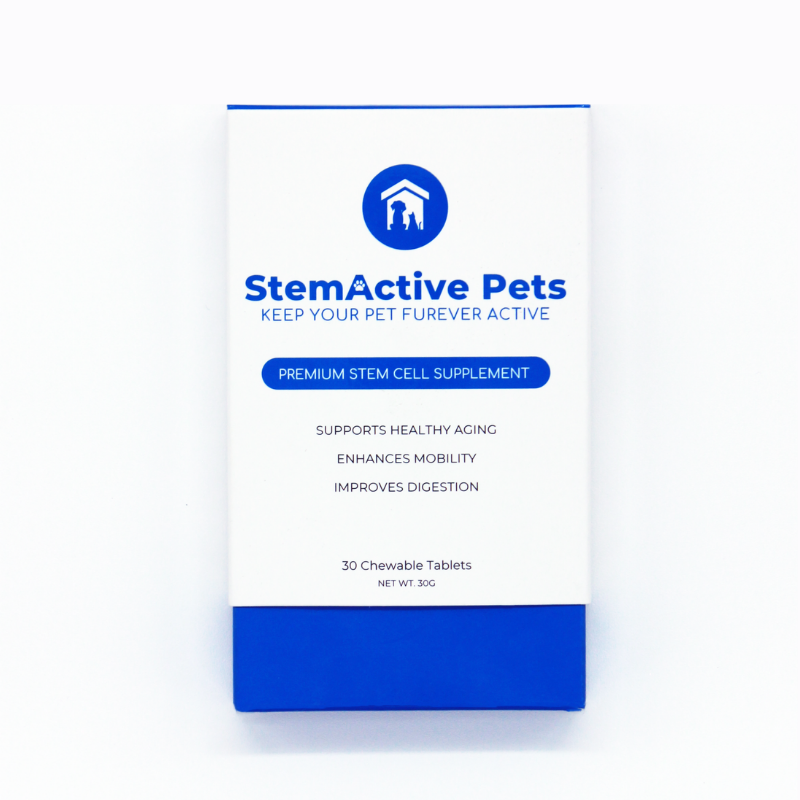
StemActive Pets is an optional daily soft chew from HealthyHome, positioned to support joint health and mobility as part of a healthy routine. It is not a substitute for veterinary care, a complete diet or regular movement, and it is not a treatment for any condition. If you are building an activity plan for an older dog, a chew is a small add-on to the things that matter most: a vet check, a steady routine and a healthy weight.

For more on older dogs, read our guide to stem cell support for senior dogs, see when to start dog joint supplements, and check our label-literacy safety checklist. If your dog is picky, how to give soft chews has practical tips. Talk with your veterinarian first if your dog has a health condition or takes medication.

Shop or Join (All In Enterprises, LLC)

HealthyHome handles payment, shipping, and fulfillment. All In Enterprises, LLC are independent distributors.

Shop StemActive Pets  ·  Join & Get Member Pricing

Shop for customer pricing. Join for member pricing and the optional ability to share; earnings are never guaranteed. Many members enroll only for pricing.

FAQ: exercise for senior dogs

How much exercise does a senior dog need?

It depends on the dog. Many healthy older dogs do well with about 30 to 60 minutes of total activity a day split into shorter sessions, while dogs with mobility limits may need a couple of 10- to 15-minute walks. Ask your vet first.

Is walking enough exercise for an older dog?

For many senior dogs, yes. Daily walks plus some sniffing time and gentle play cover both physical and mental exercise. Swimming can be a low-impact extra for dogs that enjoy water.

How do I know if my senior dog is overdoing it?

Watch for limping, heavy panting that does not settle, lying down mid-walk, or stiffness the next day. Scale back and talk with your veterinarian if you notice them.

Should senior dogs avoid running?

Not always, but most older dogs do better with lower-impact activity. Ask your vet before running with a senior dog, and build up gradually on soft surfaces.

Can StemActive Pets replace exercise?

No. StemActive Pets is an optional daily chew intended to support joint health and mobility as part of a routine that includes veterinary care, a complete diet and regular movement.

FurEverYoung.shop is operated by All In Enterprises, LLC, independent HealthyHome distributors. StemActive Pets is a HealthyHome product. This content is for pet wellness education only and is not veterinary advice. These statements have not been evaluated by the Food and Drug Administration. This product is not intended to diagnose, treat, cure, or prevent any disease.

Do Cats Need Supplements? A Food-First Guide for Cat Owners

Do Cats Need Supplements? A Food-First Guide for Cat Owners

October 20, 2026October 20, 2026 FurEverYoungUncategorized

Walk down any pet aisle and you could leave thinking every cat needs a shelf of powders and chews. Most don’t. If you searched do cats need supplements, the honest starting point is the food bowl, not the supplement bottle. This guide explains when a healthy adult cat already gets what it needs, when a supplement might make sense, which human products to keep away from cats, and where an optional wellness chew like StemActive Pets fits without pretending to be nutrition or medicine.

FurEverYoung.shop is operated by All In Enterprises, LLC, independent HealthyHome distributors. The product is StemActive Pets. HealthyHome owns and fulfills it. We do not. We may earn a commission when you shop or join through our links. This is pet wellness education only, not veterinary advice. These statements have not been evaluated by the Food and Drug Administration. This product is not intended to diagnose, treat, cure, or prevent any disease.

The short answer

A healthy adult cat eating a commercial food labeled complete and balanced for its life stage usually does not need extra vitamins or minerals. The Cornell Feline Health Center’s guide to feeding your cat makes the same point: when a cat eats a balanced and complete diet, vitamin and mineral supplements are usually not necessary, and more is not automatically better. Supplements make the most sense when a veterinarian has a specific reason to recommend one, or as an optional extra you choose deliberately, not as a patch for a poor diet.

Start with the food label

Cats are obligate carnivores. They need nutrients such as taurine and preformed vitamin A from animal sources, and a good commercial cat food is formulated to supply them. Before you buy anything else, check the bag or can for a nutritional adequacy statement. The FDA explains what “complete and balanced” pet food means and why treats and toppers are not meant to provide complete nutrition.

  • Look for the life stage. Kitten, adult maintenance or all life stages. A kitten food and a sedentary-adult food are not interchangeable.
  • Notice “intermittent or supplemental feeding only.” That wording means the product is a treat or topper, not a full diet.
  • Count the treats. Treats, toppers and chews add calories. Cornell’s rule of thumb is to keep treats under 10 to 15 percent of a cat’s daily calories, so the complete diet stays the main event.

When a supplement may make sense

There are real situations where a veterinarian may suggest adding something to a cat’s routine:

  • Homemade or raw diets. Home-prepared cat diets are hard to balance. A vet or board-certified veterinary nutritionist may prescribe a recipe with a specific vitamin and mineral mix.
  • A specific health plan. Some cats get a supplement as part of a plan their vet designs. That decision belongs in the exam room, with dosing based on the cat in front of them.
  • Senior wellness conversations. Older cats often get twice-yearly checkups, and owners commonly ask about adding a daily chew at that visit. Our guide to stem cell support for aging cats covers that habit.
  • Owner preference. Some people simply want an optional daily wellness chew. That is a reasonable choice as long as it sits beside a complete diet and regular vet care.

What to keep away from cats

The biggest risk is not a cat-labeled supplement. It is sharing human products.

  • Human vitamins and supplements. Doses are built for people, and fat-soluble vitamins such as A and D can build up in a small body. Never share your own capsules, gels or gummies.
  • Garlic and onion. These show up in some “natural” human products and homemade toppers. The ASPCA lists plants in the onion family as toxic to cats in its toxic and non-toxic plants database.
  • Dog products. Dog chews are formulated and portioned for dogs. Use products labeled for cats, at cat servings.
  • Mystery blends. Skip anything without a readable ingredient list, a clear serving by weight and a company you can contact.

If you think a food, treat or chew made your cat sick, stop it, call your veterinarian, and keep the package. The FDA explains how to report a pet food complaint.

A five-question checklist before you add anything

  1. Is my cat’s main food complete and balanced for its life stage? If not, fix the food first.
  2. What job do I want the supplement to do? “Everyday wellness” and “a vet-directed plan” are different briefs.
  3. Is it labeled for cats, with a serving by weight? If the label only shows dogs, keep looking.
  4. Does my vet know? Especially important if your cat takes medication, has a chronic condition, is pregnant or nursing, or is a kitten.
  5. Will my cat actually eat it? A chew that ends up under the couch helps no one.

Where StemActive Pets fits

StemActive Pets is HealthyHome’s chewable supplement for dogs and cats. On FurEver Young we discuss it as an optional daily wellness habit: plant-based nutritional support language around the cells a pet’s body already maintains. It is not a vitamin and mineral fix, not a replacement for complete food, and not a veterinary therapy.

  • It is a chewable many cats accept by hand or crumbled into a little wet food.
  • It is not a reason to skip a vet visit or change a prescribed plan.
  • It is not the same as human StemActive. Pets get the pet product only.

For cat-specific serving and introduction tips, read StemActive Pets for cats. For the category overview, see pet stem cell supplement, and if you are deciding on format, our drops vs chews buyer’s guide.

Shop or Join (All In Enterprises, LLC)

HealthyHome handles payment, shipping, and fulfillment. All In Enterprises, LLC are independent distributors.

Shop StemActive Pets  ·  Join & Get Member Pricing

Shop for customer pricing. Join for member pricing and the optional ability to share; earnings are never guaranteed. Many members enroll only for pricing.

FAQ: do cats need supplements?

Do cats need supplements?

Most healthy adult cats on a complete and balanced commercial food do not need extra vitamins or minerals. A supplement makes sense when your veterinarian recommends one or as a deliberate, optional wellness extra.

Can I give my cat my own vitamins?

No. Human doses are built for people, and some vitamins can build up in a cat’s smaller body. Use products labeled for cats, at cat servings.

Do indoor cats need supplements?

Not automatically. Indoor cats often need fewer calories, so the bigger concern is portion size and treats. Ask your vet if you are considering anything extra.

Can a supplement replace a complete cat food?

No. Supplements and chews are extras. The complete and balanced food provides the nutrition your cat relies on every day.

Is StemActive Pets safe for cats?

HealthyHome offers StemActive Pets for both dogs and cats. Follow the serving by weight on the package, introduce it gradually, and talk with your veterinarian first if your cat has a health condition or takes medication.

FurEverYoung.shop is operated by All In Enterprises, LLC, independent HealthyHome distributors. StemActive Pets is a HealthyHome product. This content is for pet wellness education only and is not veterinary advice. These statements have not been evaluated by the Food and Drug Administration. This product is not intended to diagnose, treat, cure, or prevent any disease.

When to Start Dog Joint Supplements: An Age and Size Guide

When to Start Dog Joint Supplements: An Age and Size Guide

October 16, 2026October 16, 2026 FurEverYoungUncategorized

Most owners start thinking about joint supplements on a specific day: the first time the dog hesitates at the back steps, takes two tries to jump into the car, or gets up slowly after a long nap. That is a natural moment to ask the question, but it is not always the best moment to start. If you are wondering when to start dog joint supplements, the useful answer depends less on a birthday and more on your dog’s size, weight, activity level and health. This guide walks through each one and explains where a daily chew like StemActive Pets fits.

FurEverYoung.shop is operated by All In Enterprises, LLC, independent HealthyHome distributors. The product we discuss is StemActive Pets, a daily wellness soft chew. It contains no stem cells and it is not a veterinary therapy. We may earn a commission when you shop or join through our links. This is pet wellness education, not veterinary advice.

The short answer

There is no single correct age. Many owners begin a joint-support routine when a dog moves from mature adult toward senior, and earlier for large and giant breeds or very active dogs. Growing puppies are the exception: they should not get joint supplements unless a veterinarian recommends one. In every case, a supplement is the smallest part of the plan. Body weight, exercise and regular vet checkups do far more.

Size changes the calendar

Dogs do not age at one dog year to seven human years, and big dogs age faster than small ones. The American Veterinary Medical Association explains in its senior pet care guide that experts suggest considering a dog “senior” in the last 25 percent of the estimated life span for its breed. Using American Kennel Club data, that works out roughly to:

  • Small or toy breeds (under 20 pounds): 8 to 11 years
  • Medium breeds (20 to 50 pounds): 8 to 10 years
  • Large breeds (50 to 90 pounds): 8 to 9 years
  • Giant breeds (over 90 pounds): 6 to 7 years

Many owners use the two or three years before those ages as the window to start a joint-support habit, so it is already part of the routine by the time the dog slows down. For a Great Dane that might be around age 4 or 5. For a Chihuahua it might be closer to 7 or 8. Your vet can help adjust that for your dog’s breed and history.

Weight matters more than any supplement

If you change one thing for your dog’s joints, make it weight. The AVMA lists joint and bone disease among the most common problems in older pets and links excess weight in seniors to a higher risk of arthritis, among other problems. A well-known study of 48 Labrador Retrievers, published in the Journal of the American Veterinary Medical Association, fed half the dogs 25 percent less than their littermates for life. The leaner dogs lived a median of about 1.8 years longer, and the signs of chronic conditions, including osteoarthritis, showed up later. You can read the study abstract on PubMed.

So before any chew, ask your vet whether your dog is at a healthy body condition score. Keeping a dog lean is free, and it helps every joint in the body.

Signs it is a good time to talk to your vet

The AVMA lists these changes as possible signs of arthritis and other joint problems:

  • Favoring a leg or walking stiffly
  • Trouble sitting down or standing up
  • Avoiding stairs, jumping or getting into the car
  • Sleeping more or playing less
  • Resisting being touched, or unusual grumpiness with people or other pets

Any of these deserves an exam, not just a new product. Sudden lameness, swelling, or a dog that will not put weight on a leg needs a vet visit right away. A supplement can be part of the plan your vet builds, but it should never delay a diagnosis.

What about puppies?

Puppies, especially large-breed puppies, need a complete and balanced diet made for growth, with the right calcium and calorie levels. Adding supplements to a growing puppy’s diet can upset that balance. Unless your veterinarian recommends a specific product, wait until your dog is fully grown. Check the StemActive Pets label for any age guidance, and ask your vet before giving it to a young or very small dog.

Also remember that pet supplements are regulated differently from human ones. The FDA explains in FDA’s regulation of pet food that the “dietary supplement” category does not apply to animals. Never give your dog a human joint product without asking your vet. Our guide to whether dogs can take human supplements explains why.

Where StemActive Pets fits

StemActive Pets for dogs is a soft chew from HealthyHome. Its blend has included blue-green algae (AFA) alongside the familiar joint-support nutrients glucosamine and chondroitin, plus a curcumin ingredient for antioxidant support. Read the current label for the exact panel. It is meant as everyday mobility and healthy-aging support, not a treatment for arthritis or any other disease.

When you start, keep it simple:

  • Serve by weight. Use the size guides for small, medium and large dogs, and follow the label.
  • Pick one daily anchor, such as breakfast or the post-walk treat.
  • Give it time. Judge it over weeks, not days. Our how long dog supplements take to work log shows what to track.
  • Don’t stack blindly. If your dog already takes a joint product or medication, bring the StemActive Pets label to your vet first.

For an older dog, our guide to stem cell support for senior dogs covers the full routine.

FAQ

What age should I start my dog on joint supplements?

It depends on size. Many owners start a few years before their dog reaches senior age, which the AVMA puts at roughly 6 to 7 years for giant breeds, 8 to 9 for large breeds, 8 to 10 for medium breeds and 8 to 11 for small breeds. Ask your vet to tailor it to your dog.

Should large breed dogs start joint supplements earlier?

Large and giant breeds age faster and carry more weight on their joints, so many owners start earlier. Keeping them lean matters even more than the timing of a supplement.

Can puppies take joint supplements?

Not unless your veterinarian recommends one. Growing puppies need a balanced diet made for growth, and extra supplements can upset that balance.

Is it ever too late to start?

Many owners start when their dog is already a senior. Get a vet exam first so any pain or joint problem is diagnosed, then add a chew as part of the plan if your vet agrees.

Does StemActive Pets treat arthritis?

No. StemActive Pets is a daily wellness chew. It is not intended to diagnose, treat, cure or prevent any disease. Talk with your vet about any joint problem.

Shop or Join (All In Enterprises, LLC)

HealthyHome handles payment, shipping and fulfillment. All In Enterprises, LLC are independent distributors.

Shop StemActive Pets  ·  Join & Get Member Pricing

FurEverYoung.shop is operated by All In Enterprises, LLC, independent HealthyHome distributors. StemActive Pets is a HealthyHome product. This content is for pet wellness education only and is not veterinary advice. These statements have not been evaluated by the Food and Drug Administration. This product is not intended to diagnose, treat, cure, or prevent any disease. Always talk with your veterinarian about products and procedures for your pet.

Stem Cell Supplement vs Stem Cell Therapy for Dogs: What’s the Difference?

Stem Cell Supplement vs Stem Cell Therapy for Dogs: What’s the Difference?

October 14, 2026October 14, 2026 FurEverYoungUncategorized

If you have started reading about stem cells for an older dog, you have probably noticed that the search results mix two very different things. Some pages are veterinary clinics describing a procedure in which cells are collected, processed and injected. Others are products you give at home, like soft chews. Both use the words “stem cell,” and that makes it easy to assume they do the same job. They do not. This guide lays out the difference so you can have a clear conversation with your veterinarian.

FurEverYoung.shop is operated by All In Enterprises, LLC, independent HealthyHome distributors. The product we discuss is StemActive Pets, a daily wellness soft chew. It contains no stem cells and it is not a veterinary therapy. We may earn a commission when you shop or join through our links. This is pet wellness education, not veterinary advice.

The one-sentence difference

Stem cell therapy is a veterinary procedure that puts cells into your dog. A stem cell supplement is something your dog eats every day that contains no cells at all and is meant to support the body’s own normal processes as part of a wellness routine.

What stem cell therapy for dogs involves

Clinic pages usually describe some version of the same steps. A veterinarian collects tissue, often a small amount of fat or bone marrow, from the dog. The sample is processed, sometimes at an outside lab, to concentrate cells. Those cells are then injected back into the dog, commonly into a joint or another targeted area. That typically means sedation or anesthesia, more than one visit, and a cost in the range of a veterinary procedure rather than a monthly product.

It is also an area where regulation is still catching up. The FDA’s Center for Veterinary Medicine groups these products under the name animal cells, tissues, and cell- and tissue-based products. In its Q&A for pet owners, the agency says these products have not yet been shown to be safe and effective, that there are currently no FDA-approved cell or tissue products for animals, and that they can only be used in investigational studies. The FDA also keeps a list of clinical field studies that owners and vets can review.

None of that means a veterinarian who discusses these options is doing something wrong. It means the questions you ask matter, and that the decision belongs in the exam room.

What a dog stem cell supplement is

A dog stem cell supplement, in the way we use the term, is a daily product you give at home. StemActive Pets for dogs is a soft chew made by HealthyHome. It has no cells in it, it is not injected, and it does not replace anything your veterinarian recommends. The idea is the same one behind the human StemActive products: plant-based ingredients taken consistently as part of a healthy routine, with food, movement, weight and vet checkups doing the heavy lifting.

Supplements for pets are also regulated differently from human supplements. The FDA explains in FDA’s regulation of pet food that the “dietary supplement” category does not apply to animals; products for pets are regulated as animal food or animal drugs depending on what they contain and how they are marketed. That is one reason honest pet chews talk about wellness and routine rather than medical results.

Side by side

  • What it is. Therapy: cells collected, processed and injected by a vet. Supplement: a daily chew with no cells.
  • Who gives it. Therapy: a veterinary team, usually with sedation. Supplement: you, at home, often as a treat.
  • Purpose. Therapy: discussed by vets for specific diagnosed problems, within the regulatory limits above. Supplement: general wellness support, not for diagnosing, treating or preventing any disease.
  • Commitment. Therapy: a procedure, follow-up visits and a procedure-level bill. Supplement: a daily habit evaluated over weeks, not days.
  • Who decides. Therapy: you and your veterinarian. Supplement: you, ideally with your veterinarian’s okay, especially if your dog takes medication.

Questions to ask your veterinarian

If a clinic has suggested stem cell therapy, or you are curious about it, these questions help:

  • What exactly is being injected, and where is it processed?
  • Is this product being used in an FDA investigational study, and what does that mean for my dog?
  • What outcome are we hoping for, and how will we measure it?
  • What are the risks of sedation and the procedure for a dog of this age?
  • Is there anything I should stop or avoid at home, including chews or supplements, before or after?

And if you are considering a daily chew, ask whether it is a reasonable fit with your dog’s current care plan.

Where StemActive Pets fits for an older dog

Most owners asking this question have a senior dog and want to do something consistent at home. That is where a senior dog stem cell supplement can fit: as one small daily step next to good food, a healthy weight, gentle exercise and regular vet visits. Our guide to stem cell support for senior dogs covers that routine, and how to give stem cell soft chews covers the practical side. Pick the right serving with the size guides for small, medium and large dogs, and give it a fair trial, as explained in how long dog supplements take to work.

A chew is never a reason to delay a vet visit. Limping that does not improve, pain, a change in appetite or energy, or any sudden change deserves an exam.

FAQ

Is a stem cell supplement the same as stem cell therapy for dogs?

No. Therapy is a veterinary procedure that injects processed cells. A supplement such as StemActive Pets is a daily chew that contains no cells and is meant for general wellness support.

Does StemActive Pets contain stem cells?

No. It is a soft chew with no cells, made by HealthyHome. It is not a therapy and is not intended to diagnose, treat, cure or prevent any disease.

Is stem cell therapy for dogs FDA-approved?

According to the FDA’s Center for Veterinary Medicine, there are currently no FDA-approved animal cell or tissue products, and they can only be used in investigational studies. Ask your veterinarian how that applies to any option you are offered.

Can I give a stem cell chew if my dog has had stem cell therapy?

Ask your veterinarian first. Bring the chew’s label to the appointment so they can see what it contains.

Are drops better than chews?

Some pet products come as drops or powders. We focus on soft chews because they are easy to give consistently. Our drops vs chews buyer’s guide compares formats.

Shop or Join (All In Enterprises, LLC)

HealthyHome handles payment, shipping and fulfillment. All In Enterprises, LLC are independent distributors.

Shop StemActive Pets  ·  Join & Get Member Pricing

FurEverYoung.shop is operated by All In Enterprises, LLC, independent HealthyHome distributors. StemActive Pets is a HealthyHome product. This content is for pet wellness education only and is not veterinary advice. These statements have not been evaluated by the Food and Drug Administration. This product is not intended to diagnose, treat, cure, or prevent any disease. Always talk with your veterinarian about products and procedures for your pet.

Are Dog Stem Cell Supplements Safe? A Label-Literacy Checklist

Are Dog Stem Cell Supplements Safe? A Label-Literacy Checklist

October 13, 2026October 13, 2026 FurEverYoungUncategorized

Owners who type are dog stem cell supplements safe are usually past the marketing page. They have a pouch in hand — or almost do — and want a plain checklist: what “safe” can mean for a pet chew, what the label should show, when to call the vet, and how StemActive Pets fits without overselling. This page is that safety and label-literacy guide.

FurEverYoung.shop is operated by All In Enterprises, LLC, independent HealthyHome distributors. The product is StemActive Pets. HealthyHome owns and fulfills it. We do not. We may earn a commission when you shop or join through our links. This is pet wellness education only — not veterinary advice. These statements have not been evaluated by the Food and Drug Administration. This product is not intended to diagnose, treat, cure, or prevent any disease.

What “safe” can and cannot mean online

No blog can certify that a specific chew is safe for your dog. Safety depends on the animal (age, breed, medicines, allergies), the exact lot you hold, the serving you give, and how the product is used. What we can do is teach a careful reading habit and point you to federal literacy on how pet products are regulated.

The FDA explains in FDA’s regulation of pet food that the human “dietary supplement” category does not simply transfer to animals. Products for pets are generally regulated as animal food or, if they make drug-style claims, as animal drugs. Practically: be skeptical of any pet product that promises fast medical results, and treat a wellness chew as a daily habit you evaluate with your veterinarian — not as a substitute for care.

A label-literacy checklist before the first chew

  • Species and size band. StemActive Pets is discussed here for dogs with weight-band servings on the pouch. Confirm dogs vs cats and the band that matches your dog’s current weight. Size guides: small, medium, and large dogs.
  • Ingredient list you can read. Prefer a full panel over vague “proprietary blend” marketing alone. If your dog has known food sensitivities, compare every line with your vet.
  • Serving directions and cautions. Follow the pouch. Do not “double up” to speed results. Our timeline post on how long dog supplements take to work explains why weeks of consistency beat days of guessing.
  • Lot and keep-the-pouch habit. Keep the package. If anything goes wrong, your vet and any adverse-event report are more useful with lot information.
  • Human products stay human. Do not share your own capsules. See can dogs take human supplements.

When “wait and see” is the wrong answer

Stop the chew and contact your veterinarian if you see vomiting or diarrhea that continues, refusal to eat, hives or facial swelling, sudden lameness, collapse, trouble breathing, or any sudden behavior change that worries you. If you believe a pet food or chew made your animal sick, the FDA explains how to report a pet food complaint. Gradual decline in an older dog also deserves a vet visit, not just another supplement trial. Senior-dog context: stem cell support for senior dogs.

How StemActive Pets is framed on this hub

StemActive Pets is HealthyHome’s companion-animal soft chew. On FurEver Young we discuss it as a daily oral wellness habit in an ESCM-style education frame: plant-based nutritional support language around the pet’s own circulating cell pool — not a veterinary regenerative procedure, injection, or clinic therapy.

  • It is a soft-chew format many dogs accept, with label-driven weight bands.
  • It is not a disease treatment, a pain medicine, or a reason to stop a prescribed plan.
  • It is not interchangeable with human StemActive capsules or gel.
  • It is not something we will label “100% safe for every dog.” Individual animals differ.

Product overview: StemActive Pets for dogs. Category background: pet stem cell supplement. Practical feeding tips: how to give stem cell soft chews to dogs. Hub home: FurEverYoung.shop.

A calm first-week protocol

  1. Confirm weight band and species notes on the pouch you bought.
  2. Give the labeled serving once daily with or as a treat, using the tactics in the how-to-give guide if your dog is picky.
  3. Change only one thing at a time (food, other supplements, chew).
  4. Log appetite, stool, energy, and any itching for the first one to two weeks.
  5. Book a vet conversation before starting if your dog is on prescription medicines, has a chronic condition, is pregnant/nursing, or is a very small puppy — your clinician’s advice wins.

Shop or Join (All In Enterprises, LLC)

HealthyHome handles payment, shipping, and fulfillment. All In Enterprises, LLC are independent distributors.

Shop StemActive Pets  ·  Join & Get Member Pricing

Shop for customer pricing. Join for member pricing and the optional ability to share; earnings are never guaranteed. Many members enroll only for pricing.

FAQ — are dog stem cell supplements safe?

Are dog stem cell supplements safe?

Safety is individual. Read the full label, match the species and weight band, start at the labeled serving, and involve your veterinarian — especially if your dog takes medicines or has a health condition. No blog can promise universal safety.

Is StemActive Pets the same as a stem cell therapy?

No. Soft chews discussed on this hub are daily nutritional products. Clinic therapies and procedures are a different category and belong in a veterinary conversation.

Can I give my dog my human stem cell activator?

No. Use products labeled for dogs, at dog servings. See our human-supplements guide linked above.

What should I do if my dog has a reaction?

Stop the product and contact your veterinarian. Keep the pouch and lot number. Consider FDA’s pet food complaint process if appropriate.

How long before I decide whether to continue?

Plan on weeks of consistent labeled use before forming a strong opinion, and never delay veterinary care while “waiting for a supplement to work.”

FurEverYoung.shop is operated by All In Enterprises, LLC, independent HealthyHome distributors. StemActive Pets is a HealthyHome product. This content is for pet wellness education only and is not veterinary advice. These statements have not been evaluated by the Food and Drug Administration. This product is not intended to diagnose, treat, cure, or prevent any disease.

Can Dogs Take Human Supplements? What to Check First

Can Dogs Take Human Supplements? What to Check First

October 7, 2026October 7, 2026 FurEverYoungUncategorized

It usually starts at the kitchen counter. Your fish oil, glucosamine, or multivitamin is right there, your dog is getting a little stiff on the back steps, and the thought arrives: can dogs take human supplements? Half a capsule can’t hurt, right? Sometimes it can. Human products are dosed for people, flavored for people, and sometimes sweetened with ingredients that are dangerous for dogs. This page walks through what to check, which ingredients are the real red flags, what to do if your dog gets into a bottle, and where a pet-made chew like StemActive Pets fits instead.

FurEverYoung.shop is operated by All In Enterprises, LLC, independent HealthyHome distributors. The product is StemActive Pets. HealthyHome owns and fulfills the product. We do not. We may earn a commission when you shop or join through our links. This is pet wellness education only, not veterinary advice. These statements have not been evaluated by the Food and Drug Administration. This product is not intended to diagnose, treat, cure, or prevent any disease.

The short answer: not without your veterinarian

Some ingredients found in human supplements are also used in pet products. That does not make the human bottle safe to share. Three things go wrong:

  • The dose is built for a person. A capsule designed for a 170-pound adult is a very different amount for a 20-pound terrier, and you cannot reliably split some capsules or coated tablets.
  • The extras matter. Sweeteners, flavorings, and coatings that are harmless for people can be a problem for dogs.
  • Your dog’s health picture is not yours. Age, weight, kidney and liver health, and any medications change what is appropriate. That is your veterinarian’s call.

The ASPCA Animal Poison Control Center keeps a list of supplements and vitamins that are dangerous for pets. It is worth reading once, then keeping your own bottles where paws and noses cannot reach.

The ingredients that make human supplements risky for dogs

Xylitol (also called birch sugar or wood sugar)

This is the big one. Xylitol is a sweetener used in sugar-free gum, sugar-free nut butters, and many chewable or gummy supplements. In dogs it can cause a sudden drop in blood sugar and liver injury. The FDA’s Paws Off Xylitol page says signs can start within 20 minutes and include vomiting, weakness, collapse, and seizures. If a human chewable tastes sweet, check the label before it goes anywhere near your dog.

Vitamin D

Vitamin D3 is in many human multivitamins and stand-alone softgels. Too much can raise a dog’s calcium levels. The FDA lists signs of vitamin D toxicity in dogs such as vomiting, loss of appetite, increased thirst and urination, drooling, and weight loss.

Iron

Iron is common in prenatal and women’s multivitamins. According to the ASPCA, high doses can irritate a pet’s digestive tract and, at larger amounts, damage the liver.

Caffeine and stimulant botanicals

Energy and “focus” supplements may contain caffeine, guarana, or green tea extract. Stimulants can be dangerous for dogs, so keep any energy product away from pets.

Garlic and onion powders

These sometimes show up as flavorings or “immune” ingredients in human blends. Onions and garlic, along with caffeine, are on the ASPCA’s list of people foods to avoid feeding your pets.

Cats are even less forgiving

Cats are smaller, metabolize many compounds differently, and are famously hard to dose. Never give a cat a human supplement or pain reliever unless your veterinarian has prescribed it. If you share your home with both species, our StemActive Pets for cats guide covers the cat side.

If your dog already got into a bottle

  1. Take the bottle away and keep it. The label tells the vet exactly what was eaten.
  2. Estimate how much is missing and roughly when it happened.
  3. Call your veterinarian or an emergency clinic right away, or the ASPCA Animal Poison Control Center at (888) 426-4435, available 24/7. A consultation fee may apply.
  4. Do not try home remedies or make your dog vomit unless a professional tells you to.

With xylitol in particular, minutes matter. Call first, then watch.

How pet-made supplements are different

A supplement made for pets is labeled for the species, uses a serving based on body weight, and is formulated to be eaten as a chew or treat. That does not make every pet product right for every dog. You still read the label and talk with your vet. It does remove the guesswork of cutting a human capsule into pieces. The FDA explains how it oversees animal food and related products on its pet food regulation page.

A few things to look for on any pet supplement label:

  • A clear species statement (dogs, cats, or both).
  • Serving directions by weight band.
  • A full ingredient list, including inactive ingredients and flavorings.
  • Lot number and expiration date.
  • Company contact information for questions or problems.

Where StemActive Pets fits

StemActive Pets is HealthyHome’s chewable supplement for dogs and cats, discussed on this hub as plant-based wellness support for the stem cells an animal’s body already maintains. It is a pet product, not a human capsule repackaged. Please do not swap human StemActive capsules or gel into your dog’s bowl; use the pet version and follow its label.

  • Serve the weight band on the current label. Do not double up for a big or very active dog.
  • Use a safe “pill pocket.” If your dog is picky, a small piece of plain wet food works. If you use peanut butter, make sure it does not contain xylitol.
  • Check with your veterinarian first if your dog takes medication, is pregnant or nursing, or is recovering from surgery.

More on daily use: StemActive Pets for dogs, how to give stem cell soft chews to dogs, and the category overview, pet stem cell supplement.

Shop or Join (All In Enterprises, LLC)

HealthyHome handles payment, shipping, and fulfillment. All In Enterprises, LLC are independent distributors.

Shop StemActive Pets  ·  Join & Get Member Pricing

Shop for customer pricing. Join for member pricing and the optional ability to share; earnings are never guaranteed. Many members enroll only for pricing.

FAQ: can dogs take human supplements?

Can dogs take human supplements?

Not without your veterinarian’s guidance. Human supplements are dosed for people and may contain ingredients such as xylitol, vitamin D, or iron that can harm dogs. A product made and labeled for pets is the safer starting point.

Can I give my dog human fish oil or glucosamine?

Ask your veterinarian first. Even when an ingredient is used in pet products, the human version may have a different strength, flavoring, or sweetener, and your vet can tell you whether and how much is appropriate.

What should I do if my dog ate my vitamins?

Keep the bottle, estimate how many are missing, and call your veterinarian, an emergency clinic, or ASPCA Animal Poison Control at (888) 426-4435 right away. Do not induce vomiting unless a professional tells you to.

Can I give my dog human StemActive capsules?

No. Use StemActive Pets, the version made for dogs and cats, and follow the weight band on its label.

Is xylitol really that dangerous for dogs?

Yes. The FDA warns that xylitol poisoning in dogs can start within 20 minutes and can be life-threatening. Check labels on sugar-free foods, nut butters, and chewable supplements.

FurEverYoung.shop is operated by All In Enterprises, LLC, independent HealthyHome distributors. StemActive Pets is a HealthyHome product. This content is for pet wellness education only. It is not veterinary advice and is not intended to diagnose, treat, cure, or prevent any disease. If you think your pet has eaten something harmful, contact your veterinarian or an animal poison control center immediately.

How Long Do Dog Supplements Take to Work? A 90-Day Owner’s Log

How Long Do Dog Supplements Take to Work? A 90-Day Owner’s Log

October 6, 2026 FurEverYoungUncategorized

Most people who type how long do dog supplements take to work have already opened the pouch. The dog has had a week of chews, nothing dramatic has happened, and the question is whether to keep going. That is a fair question, and the honest answer is less exciting than most product pages: daily wellness supplements are judged over weeks of consistency, not days, and you need a simple way to notice change before you can say anything worked. This page gives you that plan, then shows where StemActive Pets soft chews fit.

FurEverYoung.shop is operated by All In Enterprises, LLC, independent HealthyHome distributors. The product is StemActive Pets. HealthyHome owns and fulfills the product. We do not. We may earn a commission when you shop or join through our links. This is pet wellness education only — not veterinary advice. These statements have not been evaluated by the Food and Drug Administration. This product is not intended to diagnose, treat, cure, or prevent any disease.

Why there is no single answer

“Dog supplement” covers very different products: fish-oil liquids, probiotic powders, joint chews, multivitamins, and plant-based soft chews like StemActive Pets. Each works on a different part of the body’s routine, and each label sets its own serving. A timeline borrowed from one category does not transfer to another.

The regulatory picture adds a reason for caution. The FDA explains in FDA’s regulation of pet food that the human “dietary supplement” category does not apply to animals; products marketed that way for pets are regulated as animal food or animal drugs depending on what they contain and how they are marketed. Practically, that means you should be skeptical of any pet product that promises a fast medical result. A wellness chew should be framed as a daily habit, and a habit takes time to evaluate.

Weeks, not days: what consistency actually looks like

Three things decide whether you will ever be able to tell if a supplement is doing anything for your dog:

  • The right serving. StemActive Pets uses weight bands on the pouch. A dog served below its band for a month has not really had a trial. Size-specific help lives in our guides for small, medium, and large dogs.
  • Every day, actually eaten. A chew that ends up under the couch is a missed day. If your dog is picky, the tactics in how to give stem cell soft chews to dogs help.
  • One change at a time. If you switch food, start a new supplement, and change the walk schedule in the same month, nothing you notice can be credited to anything.

Plan on at least one full pouch of uninterrupted daily use before you form an opinion, and longer before you form a strong one. That is not a promise of results at any date. It is the minimum window in which a fair observation is even possible.

A simple 90-day owner’s log

Memory is a poor measuring tool, especially with a dog you see every day. Write a few lines at each check-in instead. Keep it in your phone’s notes app.

Day 0 — before the first chew

  • Weight (or your vet’s last recorded weight) and the serving band on the pouch.
  • Usual walk length and pace, and how your dog handles stairs, the car, or jumping onto the couch.
  • Appetite, energy across the day, coat feel, and sleep pattern.
  • A short phone video of your dog getting up from rest and walking toward you. This is the most useful baseline you can make.

Day 30 — habit check

  • How many days were missed? If more than a few, the trial has not started yet.
  • Any stomach changes, itching, or refusal? Note them and talk with your veterinarian if they persist.
  • Repeat the same video in the same spot.

Day 60 and Day 90 — compare, do not guess

  • Watch the Day 0 and current videos side by side.
  • Compare walk notes, energy notes, and anything your vet recorded at visits.
  • Decide calmly: continue, pause, or stop. A lack of noticeable change is useful information too.

Signs that mean “call the vet,” not “wait longer”

No supplement timeline should delay veterinary care. Stop the chew and contact your veterinarian if you see vomiting or diarrhea that continues, refusal to eat, hives or facial swelling, sudden lameness, a sudden change in energy, or any new behavior that worries you. If you believe a pet food or chew made your animal sick, the FDA explains how to report a pet food complaint; keep the pouch and lot number. Slow, gradual changes in an aging dog also deserve a vet conversation, not just more patience.

Where StemActive Pets fits

StemActive Pets is HealthyHome’s companion-animal soft chew, discussed on FurEver Young as a daily oral wellness habit in an ESCM-style education frame: plant-based nutritional support language around the pet’s own circulating cell pool, not a veterinary regenerative procedure.

  • It is a soft-chew format many dogs accept as a treat-style habit.
  • It is label-driven: weight bands and species notes on the pouch you buy.
  • It is not a disease treatment, a substitute for veterinary care, or a reason to stop a prescribed plan.
  • It is not something we will put a “results by week three” promise on.

Product overview: StemActive Pets for dogs. Category background: pet stem cell supplement. Older dog in the house? Read stem cell support for senior dogs. Cats use the same patient approach; see StemActive Pets for cats.

Shop or Join (All In Enterprises, LLC)

HealthyHome handles payment, shipping, and fulfillment. All In Enterprises, LLC are independent distributors. Because a fair trial takes more than one pouch, many owners choose a subscribe option where HealthyHome offers it.

Shop StemActive Pets  ·  Join & Get Member Pricing

Shop for customer pricing. Join for member pricing and the optional ability to share; earnings are never guaranteed. Many members enroll only for pricing.

FAQ — how long do dog supplements take to work?

How long do dog supplements take to work?

It depends on the product type and the dog. Daily wellness supplements are judged over weeks of consistent, correctly served use, not days. Give any chew at least one full pouch before forming an opinion, and keep notes.

How long for StemActive Pets soft chews to work?

We do not publish a results date. Serve the weight band on the pouch every day, log your dog at Day 0, 30, 60, and 90, and judge on what you record.

Should I double the chews to see results faster?

No. Follow the label serving unless your veterinarian directs otherwise. More chews add risk of stomach upset without any honest promise of faster change.

What if I see no change after 90 days?

That is a valid result. Review your log, talk with your veterinarian, and decide whether to continue. Not every dog will show a noticeable difference from a wellness habit.

Can I give StemActive Pets with my dog’s medications?

Ask your veterinarian first, especially if your dog takes prescription medicine, is recovering from surgery, or is pregnant or nursing.

FurEverYoung.shop is operated by All In Enterprises, LLC, independent HealthyHome distributors. StemActive Pets is a HealthyHome product. This content is for pet wellness education only. It is not veterinary advice and is not intended to diagnose, treat, cure, or prevent any disease. Always read the label and talk with your veterinarian about products that may interact with your pet’s care plan.

Stem Cell Soft Chews for Medium Dogs: Mid Weight-Band Serving Literacy

Stem Cell Soft Chews for Medium Dogs: Mid Weight-Band Serving Literacy

October 2, 2026 FurEverYoungUncategorized

People type stem cell soft chews for medium dogs when the dog on the couch is neither the toy-breed serving story nor the Labrador-sized band — a mid-weight companion whose pouch chart sits between small and large. This page is weight-band serving literacy for medium-dog daily chew habits with StemActive Pets on FurEver Young. It fills the gap between our small-dogs and large-dogs serving pages — not a senior rewrite, not a how-to-give texture guide, and not a disease protocol.

FurEverYoung.shop is operated by All In Enterprises, LLC, independent HealthyHome distributors. The product is StemActive Pets. HealthyHome owns and fulfills the product. We do not. We may earn a commission when you shop or join through our links. This is pet wellness education only — not veterinary advice. These statements have not been evaluated by the Food and Drug Administration. This product is not intended to diagnose, treat, cure, or prevent any disease.

What “stem cell soft chews for medium dogs” usually means

Search intent for medium dogs is practical and label-first:

  • Weight-band honesty — how many chews the current pouch chart assigns when body weight sits in the middle bands (not the lowest small-dog band and not the highest large-dog band).
  • Daily habit fit — a soft-chew routine a mid-size mouth will finish, without improvising “half of large” or “double of small.”
  • Format clarity — soft chews / chewables as the oral habit, not a clinic procedure and not a liquid-drops deep dive.

Sister pages already own adjacent jobs: small-dog weight bands (stem cell soft chews for small dogs), large-dog weight bands (stem cell soft chews for large dogs), general soft chews (stem cell soft chews for dogs), chewables (dog stem cell chewables), seniors (stem cell support for senior dogs), and texture/routine (how to give stem cell soft chews to dogs). This URL stays on stem cell soft chews for medium dogs — mid-band serving and daily habit literacy — without primary-optimizing drops or rewriting those angles.

Start with the pouch chart, not a breed nickname

“Medium dog” is a shopping phrase. The pouch uses weight bands. A 35 lb companion and a 55 lb companion are not automatically the same serving story just because both are “medium” in conversation.

  1. Weigh (or estimate honestly). Guessing high “to be safe” can overserve; guessing low to stretch a pouch under-serves.
  2. Find the band on the StemActive Pets label you hold. Published education and blogs can drift; pouches update. The live chart wins.
  3. Serve that amount as one daily habit unless the label or your veterinarian directs otherwise.
  4. Do not invent a serving by splitting large or doubling small “by eye.” Use the mid weight band that matches your dog on the chart.

As a literacy example only (always confirm on your pouch): many StemActive Pets charts discuss bands such as roughly 1–30 lb → 1 chew, 31–60 lb → 2 chews, and 61+ lb → 3 chews. That middle band is the practical home for many “medium dog” searches — but the pouch in your hand overrides any blog paragraph.

If a small dog and a medium dog share a household — or a medium and a large — serve by each dog’s weight band. Do not let one “average” chew become the household default.

Where StemActive Pets fits a medium-dog daily chew habit

StemActive Pets is HealthyHome’s companion-animal soft chew / chewable discussed on FurEver Young as a daily oral wellness habit in an ESCM-style education frame — plant-based support language around the pet’s own circulating pool, not a veterinary regenerative procedure.

  • It is a soft-chew format many guardians prefer for mid-size dogs who already take other daily chews.
  • It is label-driven: species notes and weight-based serving on the pouch you buy.
  • It is not clinic stem-cell therapy, a disease treatment, or human StemActive capsules dumped in a bowl.
  • It is not a promise that medium breeds will “act younger by Friday.”

Product overview for dogs: StemActive Pets for dogs. Broader pet-supplement framing: pet stem cell supplement. Format chooser if you are still comparing oral styles: pet stem cell drops vs chews buyer’s guide — this page does not primary-target drops.

Medium-dog daily habit tips (still not veterinary therapy)

Once the weight band is clear, habit design matters more than hype:

  • Same window most days — morning meal, evening meal, or a consistent treat slot.
  • Watch the actual swallow — a soft chew left under the crate or lost in bedding is not a serving. Confirm it was eaten.
  • One dog, one band — multi-pet homes should not share one average serving across different sizes.
  • Travel and boarding — pack enough labeled servings for the trip; do not improvise with a different SKU mid-week.
  • Vet-first overrides — if your dog is on medication, recovering from surgery, pregnant/nursing, or has sudden appetite or mobility changes, call your veterinarian before adding or changing any supplement habit.

For texture and picky-eater tactics, use the how-to-give guide linked above. For aging-specific literacy, use the senior-dogs page. For lower or higher weight bands, use the small-dogs or large-dogs pages. Keep this URL on medium-dog weight-band and daily-chew habit framing.

What this page will not claim

  • No disease diagnosis, cure, or “fixes joint disease” language.
  • No clinic injection equivalence — oral soft chews are not veterinary stem-cell therapy.
  • No competitor trademarks in the title job (this page is StemActive Pets education).
  • No human product substitution tips.

Authoritative general pet-health conversations belong with your veterinarian. This hub exists to explain StemActive Pets soft chews and Shop vs Join paths clearly.

Shop or Join (All In Enterprises, LLC)

HealthyHome handles payment, shipping, and fulfillment. All In Enterprises, LLC are independent distributors. Your two doors:

Shop StemActive Pets  ·  Join & Get Member Pricing

Shop for customer pricing, including subscribe / autoship options where HealthyHome offers them. Join for member pricing and the optional ability to share; earnings are never guaranteed. Many members enroll only for pricing.

FAQ — stem cell soft chews for medium dogs

How many StemActive Pets soft chews does a medium dog need?

Follow the weight-band serving on the pouch you hold. “Medium dog” is not a single number — dogs that feel medium in conversation can land in different bands. Confirm on the live label.

Is this the same as stem cell therapy for dogs?

No. StemActive Pets is discussed here as a daily soft-chew wellness habit. Therapy is a clinical veterinary procedure under professional care.

Can I average a small-dog and large-dog serving?

Do not improvise an average. Use the weight band that matches your dog on the live pouch label unless your veterinarian directs a different plan.

What if I have dogs in different size bands?

Serve each animal by its own weight band. Do not share one “household” serving across different sizes.

Is this veterinary advice?

No. This page is pet wellness and product education. Your veterinarian’s advice overrides a blog paragraph.

FurEverYoung.shop is operated by All In Enterprises, LLC, independent HealthyHome distributors. StemActive Pets is a HealthyHome product. This content is for pet wellness education only. It is not veterinary advice and is not intended to diagnose, treat, cure, or prevent any disease. Always read the label and talk with your veterinarian about products that may interact with your pet’s care plan.

Stem Cell Soft Chews for Small Dogs: Weight-Band Serving Literacy

Stem Cell Soft Chews for Small Dogs: Weight-Band Serving Literacy

September 30, 2026 FurEverYoungUncategorized

People type stem cell soft chews for small dogs when the animal on the couch is a toy, miniature, or compact companion whose weight band sits lower on the pouch chart — not the Labrador-sized serving story. This page is weight-band serving literacy for small-breed daily chew habits with StemActive Pets on FurEver Young. It is the small-dog counterpart to our large-dogs serving page — not a senior-dog rewrite, not a how-to-give texture guide, and not a disease protocol.

FurEverYoung.shop is operated by All In Enterprises, LLC, independent HealthyHome distributors. The product is StemActive Pets. HealthyHome owns and fulfills the product. We do not. We may earn a commission when you shop or join through our links. This is pet wellness education only — not veterinary advice. These statements have not been evaluated by the Food and Drug Administration. This product is not intended to diagnose, treat, cure, or prevent any disease.

What “stem cell soft chews for small dogs” usually means

Search intent for small dogs is practical and label-first:

  • Weight-band honesty — how many chews (or what serving) the current pouch chart assigns when body weight sits in the lower bands.
  • Daily habit fit — a soft-chew routine a small mouth will actually finish, not a large-dog serving split “by eye.”
  • Format clarity — soft chews / chewables as the oral habit, not a clinic procedure and not a liquid-drops deep dive.

Sister pages already own adjacent jobs: large-dog weight bands (stem cell soft chews for large dogs), general soft chews (stem cell soft chews for dogs), chewables (dog stem cell chewables), seniors (stem cell support for senior dogs), and texture/routine (how to give stem cell soft chews to dogs). This URL stays on stem cell soft chews for small dogs — weight-band serving and small-breed daily habit literacy — without primary-optimizing drops or rewriting those angles.

Start with the pouch chart, not a breed nickname

“Small dog” is a shopping phrase. The pouch uses weight bands. A 8 lb toy and a 22 lb compact companion are not the same serving story just because both are “little dogs” in conversation.

  1. Weigh (or estimate honestly). Guessing high “to be safe” can overserve a tiny dog; guessing low to stretch a pouch under-serves.
  2. Find the band on the StemActive Pets label you hold. Blogs drift; pouches update. The live chart wins.
  3. Serve that amount as one daily habit unless the label or your veterinarian directs otherwise.
  4. Do not split a large-dog serving “in half by eye.” Use the small-dog / lower weight band on the chart — not improvisation from the large-dogs page.

If a small dog and a large dog share a household, serve by each dog’s weight band — do not let the bigger dog’s chew become the household default.

Where StemActive Pets fits a small-dog daily chew habit

StemActive Pets is HealthyHome’s companion-animal soft chew / chewable discussed on FurEver Young as a daily oral wellness habit in an ESCM-style education frame — plant-based support language around the pet’s own circulating pool, not a veterinary regenerative procedure.

  • It is a soft-chew format many guardians prefer for small dogs who already take other daily chews.
  • It is label-driven: species notes and weight-based serving on the pouch you buy.
  • It is not clinic stem-cell therapy, a disease treatment, or human StemActive capsules dumped in a bowl.
  • It is not a promise that small breeds will “act younger by Friday.”

Product overview for dogs: StemActive Pets for dogs. Broader pet-supplement framing: pet stem cell supplement. Format chooser if you are still comparing oral styles: pet stem cell drops vs chews buyer’s guide — this page does not primary-target drops.

Small-breed daily habit tips (still not veterinary therapy)

Once the weight band is clear, habit design matters more than hype:

  • Same window most days — morning meal, evening meal, or a consistent treat slot. Small dogs notice routine too.
  • Watch the actual swallow — a soft chew left under the crate or lost in bedding is not a serving. Confirm it was eaten.
  • One dog, one band — multi-pet homes should not let a large dog “help” with a small dog’s chew, or share one average serving across sizes.
  • Travel and boarding — pack enough labeled servings for the trip; do not improvise with a different SKU mid-week.
  • Vet-first overrides — if your dog is on medication, recovering from surgery, pregnant/nursing, or has sudden appetite or mobility changes, call your veterinarian before adding or changing any supplement habit.

For texture and picky-eater tactics, use the how-to-give guide linked above. For aging-specific literacy, use the senior-dogs page. For higher weight bands, use the large-dogs page. Keep this URL on small-dog weight-band and daily-chew habit framing.

What this page will not claim

  • No disease diagnosis, cure, or “fixes joint disease” language.
  • No clinic injection equivalence — oral soft chews are not veterinary stem-cell therapy.
  • No competitor trademarks in the title job (this page is StemActive Pets education).
  • No human product substitution tips.

Authoritative general pet-health conversations belong with your veterinarian. This hub exists to explain StemActive Pets soft chews and Shop vs Join paths clearly.

Shop or Join (All In Enterprises, LLC)

HealthyHome handles payment, shipping, and fulfillment. All In Enterprises, LLC are independent distributors. Your two doors:

Shop StemActive Pets  ·  Join & Get Member Pricing

Shop for customer pricing, including subscribe / autoship options where HealthyHome offers them. Join for member pricing and the optional ability to share; earnings are never guaranteed. Many members enroll only for pricing.

FAQ — stem cell soft chews for small dogs

How many StemActive Pets soft chews does a small dog need?

Follow the weight-band serving on the pouch you hold. “Small dog” is not a single number — an 8 lb dog and a 20 lb dog can land in different bands.

Is this the same as stem cell therapy for dogs?

No. StemActive Pets is discussed here as a daily soft-chew wellness habit. Therapy is a clinical veterinary procedure under professional care.

Can I give a small dog a large-dog serving “cut in half”?

Do not improvise from the large-dogs chart. Use the weight band that matches your dog on the live pouch label unless your veterinarian directs a different plan.

What if I have a small dog and a large dog?

Serve each animal by its own weight band. Do not share one “average” serving across different sizes.

Is this veterinary advice?

No. This page is pet wellness and product education. Your veterinarian’s advice overrides a blog paragraph.

FurEverYoung.shop is operated by All In Enterprises, LLC, independent HealthyHome distributors. StemActive Pets is a HealthyHome product. This content is for pet wellness education only. It is not veterinary advice and is not intended to diagnose, treat, cure, or prevent any disease. Always read the label and talk with your veterinarian about products that may interact with your pet’s care plan.

Stem Cell Soft Chews for Large Dogs: Weight-Band Serving Literacy

Stem Cell Soft Chews for Large Dogs: Weight-Band Serving Literacy

September 29, 2026 FurEverYoungUncategorized

People type stem cell soft chews for large dogs when the animal on the couch is already past the “small dog, one chew” mental model — Labrador, shepherd, mastiff mix, or any dog whose weight band sits higher on the pouch chart. This page is weight-band serving literacy for large-breed daily chew habits with StemActive Pets on FurEver Young. It is not a senior-dog rewrite, not a how-to-give texture guide, and not a disease protocol.

FurEverYoung.shop is operated by All In Enterprises, LLC, independent HealthyHome distributors. The product is StemActive Pets. HealthyHome owns and fulfills the product. We do not. We may earn a commission when you shop or join through our links. This is pet wellness education only — not veterinary advice. These statements have not been evaluated by the Food and Drug Administration. This product is not intended to diagnose, treat, cure, or prevent any disease.

What “stem cell soft chews for large dogs” usually means

Search intent for large dogs is practical and label-first:

  • Weight-band honesty — how many chews (or what serving) the current pouch chart assigns once body weight climbs.
  • Daily habit fit — a chew routine that survives breakfast chaos with a big, hungry dog, not a weekend experiment.
  • Format clarity — soft chews / chewables as the oral habit, not a clinic procedure and not a liquid-drops deep dive.

Sister pages already own adjacent jobs: general soft chews (stem cell soft chews for dogs), chewables (dog stem cell chewables), seniors (stem cell support for senior dogs), and texture/routine (how to give stem cell soft chews to dogs). This URL stays on stem cell soft chews for large dogs — weight-band serving and large-breed daily habit literacy — without primary-optimizing drops or rewriting those angles.

Start with the pouch chart, not a breed stereotype

“Large dog” is a shopping phrase. The pouch uses weight bands. A lean 55 lb dog and a heavy 95 lb dog are not the same serving story just because both are “big breeds” in conversation.

  1. Weigh (or estimate honestly). Guessing low to save chews under-serves; guessing high to “boost results” is not label literacy.
  2. Find the band on the StemActive Pets label you hold. Blogs drift; pouches update. The live chart wins.
  3. Serve that amount as one daily habit unless the label or your veterinarian directs otherwise.
  4. Do not invent a loading week for large breeds. Bigger body ≠ free pass to stack chews because a forum said so.

If two large dogs share a household, serve by each dog’s weight band — do not split one “family scoop” across different sizes.

Where StemActive Pets fits a large-dog daily chew habit

StemActive Pets is HealthyHome’s companion-animal soft chew / chewable discussed on FurEver Young as a daily oral wellness habit in an ESCM-style education frame — plant-based support language around the pet’s own circulating pool, not a veterinary regenerative procedure.

  • It is a soft-chew format many guardians prefer for dogs who already take other daily chews.
  • It is label-driven: species notes and weight-based serving on the pouch you buy.
  • It is not clinic stem-cell therapy, a disease treatment, or human StemActive capsules dumped in a bowl.
  • It is not a promise that large breeds will “act younger by Friday.”

Product overview for dogs: StemActive Pets for dogs. Broader pet-supplement framing: pet stem cell supplement. Format chooser if you are still comparing oral styles: pet stem cell drops vs chews buyer’s guide — this page does not primary-target drops.

Large-breed daily habit tips (still not veterinary therapy)

Once the weight band is clear, habit design matters more than hype:

  • Same window most days — morning meal, evening meal, or a consistent treat slot. Large dogs notice routine.
  • Watch the actual swallow — a soft chew left under the crate is not a serving. Confirm it was eaten.
  • One dog, one band — multi-pet homes should not let the biggest dog “help” with a smaller dog’s chew.
  • Travel and boarding — pack enough labeled servings for the trip; do not improvise with a different SKU mid-week.
  • Vet-first overrides — if your dog is on medication, recovering from surgery, pregnant/nursing, or has sudden appetite or mobility changes, call your veterinarian before adding or changing any supplement habit.

For texture and picky-eater tactics, use the how-to-give guide linked above. For aging-specific literacy, use the senior-dogs page. Keep this URL on large-dog weight-band and daily-chew habit framing.

What this page will not claim

  • No disease diagnosis, cure, or “fixes joint disease” language.
  • No clinic injection equivalence — oral soft chews are not veterinary stem-cell therapy.
  • No competitor trademarks in the title job (this page is StemActive Pets education).
  • No human product substitution tips.

Authoritative general pet-health conversations belong with your veterinarian. This hub exists to explain StemActive Pets soft chews and Shop vs Join paths clearly.

Shop or Join (All In Enterprises, LLC)

HealthyHome handles payment, shipping, and fulfillment. All In Enterprises, LLC are independent distributors. Your two doors:

Shop StemActive Pets  ·  Join & Get Member Pricing

Shop for customer pricing, including subscribe / autoship options where HealthyHome offers them. Join for member pricing and the optional ability to share; earnings are never guaranteed. Many members enroll only for pricing.

FAQ — stem cell soft chews for large dogs

How many StemActive Pets soft chews does a large dog need?

Follow the weight-band serving on the pouch you hold. “Large dog” is not a single number — a 60 lb dog and a 100 lb dog can land in different bands.

Is this the same as stem cell therapy for dogs?

No. StemActive Pets is discussed here as a daily soft-chew wellness habit. Therapy is a clinical veterinary procedure under professional care.

Can I give a large dog extra chews for faster results?

Do not invent megadoses. Stick to the label unless your veterinarian directs a different plan.

What if I have a large dog and a small dog?

Serve each animal by its own weight band. Do not share one “average” serving across different sizes.

Is this veterinary advice?

No. This page is pet wellness and product education. Your veterinarian’s advice overrides a blog paragraph.

FurEverYoung.shop is operated by All In Enterprises, LLC, independent HealthyHome distributors. StemActive Pets is a HealthyHome product. This content is for pet wellness education only. It is not veterinary advice and is not intended to diagnose, treat, cure, or prevent any disease. Always read the label and talk with your veterinarian about products that may interact with your pet’s care plan.

Posts navigation

Older posts
Proudly powered by WordPress | Theme: shuttle-ecommerce by reviewexchanger.