
It usually starts at the kitchen counter. Your fish oil, glucosamine, or multivitamin is right there, your dog is getting a little stiff on the back steps, and the thought arrives: can dogs take human supplements? Half a capsule can’t hurt, right? Sometimes it can. Human products are dosed for people, flavored for people, and sometimes sweetened with ingredients that are dangerous for dogs. This page walks through what to check, which ingredients are the real red flags, what to do if your dog gets into a bottle, and where a pet-made chew like StemActive Pets fits instead.
FurEverYoung.shop is operated by All In Enterprises, LLC, independent HealthyHome distributors. The product is StemActive Pets. HealthyHome owns and fulfills the product. We do not. We may earn a commission when you shop or join through our links. This is pet wellness education only, not veterinary advice. These statements have not been evaluated by the Food and Drug Administration. This product is not intended to diagnose, treat, cure, or prevent any disease.
The short answer: not without your veterinarian
Some ingredients found in human supplements are also used in pet products. That does not make the human bottle safe to share. Three things go wrong:
- The dose is built for a person. A capsule designed for a 170-pound adult is a very different amount for a 20-pound terrier, and you cannot reliably split some capsules or coated tablets.
- The extras matter. Sweeteners, flavorings, and coatings that are harmless for people can be a problem for dogs.
- Your dog’s health picture is not yours. Age, weight, kidney and liver health, and any medications change what is appropriate. That is your veterinarian’s call.
The ASPCA Animal Poison Control Center keeps a list of supplements and vitamins that are dangerous for pets. It is worth reading once, then keeping your own bottles where paws and noses cannot reach.
The ingredients that make human supplements risky for dogs
Xylitol (also called birch sugar or wood sugar)
This is the big one. Xylitol is a sweetener used in sugar-free gum, sugar-free nut butters, and many chewable or gummy supplements. In dogs it can cause a sudden drop in blood sugar and liver injury. The FDA’s Paws Off Xylitol page says signs can start within 20 minutes and include vomiting, weakness, collapse, and seizures. If a human chewable tastes sweet, check the label before it goes anywhere near your dog.
Vitamin D
Vitamin D3 is in many human multivitamins and stand-alone softgels. Too much can raise a dog’s calcium levels. The FDA lists signs of vitamin D toxicity in dogs such as vomiting, loss of appetite, increased thirst and urination, drooling, and weight loss.
Iron
Iron is common in prenatal and women’s multivitamins. According to the ASPCA, high doses can irritate a pet’s digestive tract and, at larger amounts, damage the liver.
Caffeine and stimulant botanicals
Energy and “focus” supplements may contain caffeine, guarana, or green tea extract. Stimulants can be dangerous for dogs, so keep any energy product away from pets.
Garlic and onion powders
These sometimes show up as flavorings or “immune” ingredients in human blends. Onions and garlic, along with caffeine, are on the ASPCA’s list of people foods to avoid feeding your pets.
Cats are even less forgiving
Cats are smaller, metabolize many compounds differently, and are famously hard to dose. Never give a cat a human supplement or pain reliever unless your veterinarian has prescribed it. If you share your home with both species, our StemActive Pets for cats guide covers the cat side.
If your dog already got into a bottle
- Take the bottle away and keep it. The label tells the vet exactly what was eaten.
- Estimate how much is missing and roughly when it happened.
- Call your veterinarian or an emergency clinic right away, or the ASPCA Animal Poison Control Center at (888) 426-4435, available 24/7. A consultation fee may apply.
- Do not try home remedies or make your dog vomit unless a professional tells you to.
With xylitol in particular, minutes matter. Call first, then watch.
How pet-made supplements are different
A supplement made for pets is labeled for the species, uses a serving based on body weight, and is formulated to be eaten as a chew or treat. That does not make every pet product right for every dog. You still read the label and talk with your vet. It does remove the guesswork of cutting a human capsule into pieces. The FDA explains how it oversees animal food and related products on its pet food regulation page.
A few things to look for on any pet supplement label:
- A clear species statement (dogs, cats, or both).
- Serving directions by weight band.
- A full ingredient list, including inactive ingredients and flavorings.
- Lot number and expiration date.
- Company contact information for questions or problems.
Where StemActive Pets fits
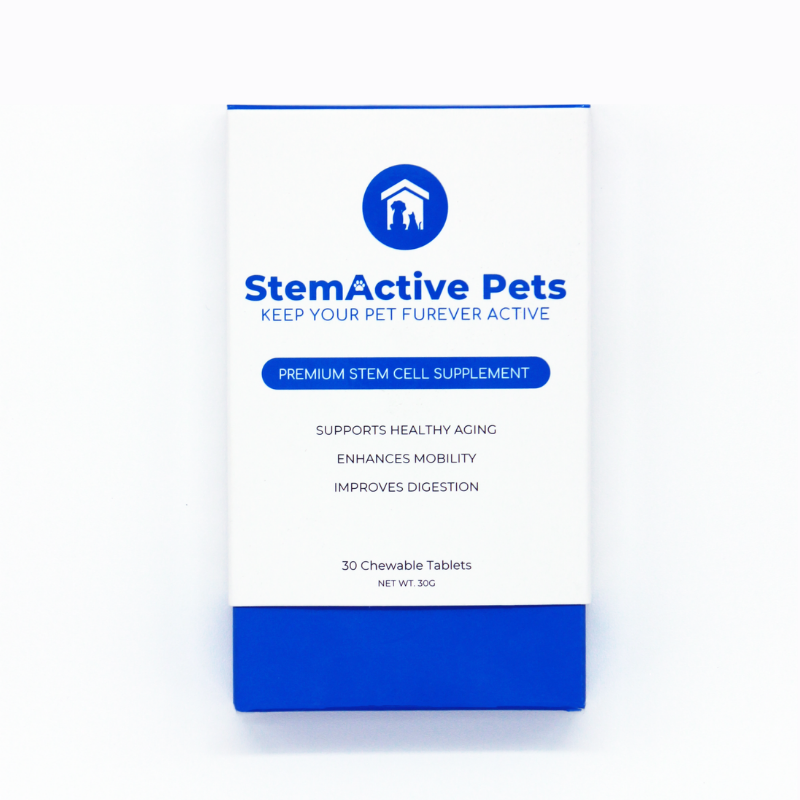
StemActive Pets is HealthyHome’s chewable supplement for dogs and cats, discussed on this hub as plant-based wellness support for the stem cells an animal’s body already maintains. It is a pet product, not a human capsule repackaged. Please do not swap human StemActive capsules or gel into your dog’s bowl; use the pet version and follow its label.
- Serve the weight band on the current label. Do not double up for a big or very active dog.
- Use a safe “pill pocket.” If your dog is picky, a small piece of plain wet food works. If you use peanut butter, make sure it does not contain xylitol.
- Check with your veterinarian first if your dog takes medication, is pregnant or nursing, or is recovering from surgery.
More on daily use: StemActive Pets for dogs, how to give stem cell soft chews to dogs, and the category overview, pet stem cell supplement.
Shop or Join (All In Enterprises, LLC)
HealthyHome handles payment, shipping, and fulfillment. All In Enterprises, LLC are independent distributors.
Shop StemActive Pets · Join & Get Member Pricing
Shop for customer pricing. Join for member pricing and the optional ability to share; earnings are never guaranteed. Many members enroll only for pricing.
FAQ: can dogs take human supplements?
Can dogs take human supplements?
Not without your veterinarian’s guidance. Human supplements are dosed for people and may contain ingredients such as xylitol, vitamin D, or iron that can harm dogs. A product made and labeled for pets is the safer starting point.
Can I give my dog human fish oil or glucosamine?
Ask your veterinarian first. Even when an ingredient is used in pet products, the human version may have a different strength, flavoring, or sweetener, and your vet can tell you whether and how much is appropriate.
What should I do if my dog ate my vitamins?
Keep the bottle, estimate how many are missing, and call your veterinarian, an emergency clinic, or ASPCA Animal Poison Control at (888) 426-4435 right away. Do not induce vomiting unless a professional tells you to.
Can I give my dog human StemActive capsules?
No. Use StemActive Pets, the version made for dogs and cats, and follow the weight band on its label.
Is xylitol really that dangerous for dogs?
Yes. The FDA warns that xylitol poisoning in dogs can start within 20 minutes and can be life-threatening. Check labels on sugar-free foods, nut butters, and chewable supplements.
FurEverYoung.shop is operated by All In Enterprises, LLC, independent HealthyHome distributors. StemActive Pets is a HealthyHome product. This content is for pet wellness education only. It is not veterinary advice and is not intended to diagnose, treat, cure, or prevent any disease. If you think your pet has eaten something harmful, contact your veterinarian or an animal poison control center immediately.