
Walk down any pet aisle and you could leave thinking every cat needs a shelf of powders and chews. Most don’t. If you searched do cats need supplements, the honest starting point is the food bowl, not the supplement bottle. This guide explains when a healthy adult cat already gets what it needs, when a supplement might make sense, which human products to keep away from cats, and where an optional wellness chew like StemActive Pets fits without pretending to be nutrition or medicine.
FurEverYoung.shop is operated by All In Enterprises, LLC, independent HealthyHome distributors. The product is StemActive Pets. HealthyHome owns and fulfills it. We do not. We may earn a commission when you shop or join through our links. This is pet wellness education only, not veterinary advice. These statements have not been evaluated by the Food and Drug Administration. This product is not intended to diagnose, treat, cure, or prevent any disease.
The short answer
A healthy adult cat eating a commercial food labeled complete and balanced for its life stage usually does not need extra vitamins or minerals. The Cornell Feline Health Center’s guide to feeding your cat makes the same point: when a cat eats a balanced and complete diet, vitamin and mineral supplements are usually not necessary, and more is not automatically better. Supplements make the most sense when a veterinarian has a specific reason to recommend one, or as an optional extra you choose deliberately, not as a patch for a poor diet.
Start with the food label
Cats are obligate carnivores. They need nutrients such as taurine and preformed vitamin A from animal sources, and a good commercial cat food is formulated to supply them. Before you buy anything else, check the bag or can for a nutritional adequacy statement. The FDA explains what “complete and balanced” pet food means and why treats and toppers are not meant to provide complete nutrition.
- Look for the life stage. Kitten, adult maintenance or all life stages. A kitten food and a sedentary-adult food are not interchangeable.
- Notice “intermittent or supplemental feeding only.” That wording means the product is a treat or topper, not a full diet.
- Count the treats. Treats, toppers and chews add calories. Cornell’s rule of thumb is to keep treats under 10 to 15 percent of a cat’s daily calories, so the complete diet stays the main event.
When a supplement may make sense
There are real situations where a veterinarian may suggest adding something to a cat’s routine:
- Homemade or raw diets. Home-prepared cat diets are hard to balance. A vet or board-certified veterinary nutritionist may prescribe a recipe with a specific vitamin and mineral mix.
- A specific health plan. Some cats get a supplement as part of a plan their vet designs. That decision belongs in the exam room, with dosing based on the cat in front of them.
- Senior wellness conversations. Older cats often get twice-yearly checkups, and owners commonly ask about adding a daily chew at that visit. Our guide to stem cell support for aging cats covers that habit.
- Owner preference. Some people simply want an optional daily wellness chew. That is a reasonable choice as long as it sits beside a complete diet and regular vet care.
What to keep away from cats
The biggest risk is not a cat-labeled supplement. It is sharing human products.
- Human vitamins and supplements. Doses are built for people, and fat-soluble vitamins such as A and D can build up in a small body. Never share your own capsules, gels or gummies.
- Garlic and onion. These show up in some “natural” human products and homemade toppers. The ASPCA lists plants in the onion family as toxic to cats in its toxic and non-toxic plants database.
- Dog products. Dog chews are formulated and portioned for dogs. Use products labeled for cats, at cat servings.
- Mystery blends. Skip anything without a readable ingredient list, a clear serving by weight and a company you can contact.
If you think a food, treat or chew made your cat sick, stop it, call your veterinarian, and keep the package. The FDA explains how to report a pet food complaint.
A five-question checklist before you add anything
- Is my cat’s main food complete and balanced for its life stage? If not, fix the food first.
- What job do I want the supplement to do? “Everyday wellness” and “a vet-directed plan” are different briefs.
- Is it labeled for cats, with a serving by weight? If the label only shows dogs, keep looking.
- Does my vet know? Especially important if your cat takes medication, has a chronic condition, is pregnant or nursing, or is a kitten.
- Will my cat actually eat it? A chew that ends up under the couch helps no one.
Where StemActive Pets fits
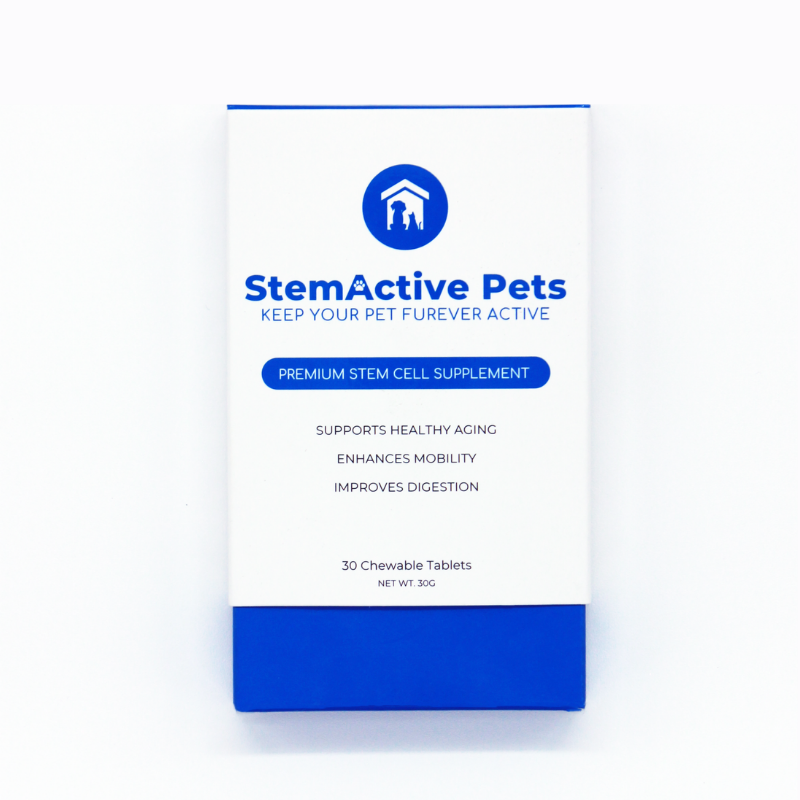
StemActive Pets is HealthyHome’s chewable supplement for dogs and cats. On FurEver Young we discuss it as an optional daily wellness habit: plant-based nutritional support language around the cells a pet’s body already maintains. It is not a vitamin and mineral fix, not a replacement for complete food, and not a veterinary therapy.
- It is a chewable many cats accept by hand or crumbled into a little wet food.
- It is not a reason to skip a vet visit or change a prescribed plan.
- It is not the same as human StemActive. Pets get the pet product only.
For cat-specific serving and introduction tips, read StemActive Pets for cats. For the category overview, see pet stem cell supplement, and if you are deciding on format, our drops vs chews buyer’s guide.
Shop or Join (All In Enterprises, LLC)
HealthyHome handles payment, shipping, and fulfillment. All In Enterprises, LLC are independent distributors.
Shop StemActive Pets · Join & Get Member Pricing
Shop for customer pricing. Join for member pricing and the optional ability to share; earnings are never guaranteed. Many members enroll only for pricing.
FAQ: do cats need supplements?
Do cats need supplements?
Most healthy adult cats on a complete and balanced commercial food do not need extra vitamins or minerals. A supplement makes sense when your veterinarian recommends one or as a deliberate, optional wellness extra.
Can I give my cat my own vitamins?
No. Human doses are built for people, and some vitamins can build up in a cat’s smaller body. Use products labeled for cats, at cat servings.
Do indoor cats need supplements?
Not automatically. Indoor cats often need fewer calories, so the bigger concern is portion size and treats. Ask your vet if you are considering anything extra.
Can a supplement replace a complete cat food?
No. Supplements and chews are extras. The complete and balanced food provides the nutrition your cat relies on every day.
Is StemActive Pets safe for cats?
HealthyHome offers StemActive Pets for both dogs and cats. Follow the serving by weight on the package, introduce it gradually, and talk with your veterinarian first if your cat has a health condition or takes medication.
FurEverYoung.shop is operated by All In Enterprises, LLC, independent HealthyHome distributors. StemActive Pets is a HealthyHome product. This content is for pet wellness education only and is not veterinary advice. These statements have not been evaluated by the Food and Drug Administration. This product is not intended to diagnose, treat, cure, or prevent any disease.