
Indoor cats tend to live longer, safer lives than cats who roam outside. The trade-off is that they do not get much natural exercise. There are no birds to stalk, no fences to climb, and the trip from the sofa to the food bowl is not much of a workout. If you searched how to exercise an indoor cat, this guide covers how much play cats need, the kinds of play that actually get them moving, how to set up your home so they move between sessions, and how to adjust for older cats, including where an optional daily chew like StemActive Pets fits.
FurEverYoung.shop is operated by All In Enterprises, LLC, independent HealthyHome distributors. The product is StemActive Pets. HealthyHome owns and fulfills it. We do not. We may earn a commission when you shop or join through our links. This is pet wellness education only, not veterinary advice. These statements have not been evaluated by the Food and Drug Administration. This product is not intended to diagnose, treat, cure, or prevent any disease.
The short answer
Most indoor cats do well with two or three short play sessions a day, about 10 to 15 minutes each, using toys that act like prey. Cats are sprinters, not marathon runners, so several short bursts work better than one long session. Between sessions, climbing spots, scratching posts and food puzzles keep them moving and thinking. The American Animal Hospital Association’s guide on how often to play with your cat gives the same rule of thumb.
Why indoor cats need a plan
Outdoor cats burn energy hunting, patrolling and climbing. Indoors, cats still have the same instincts but fewer outlets. Without enough activity, many cats gain weight, and some show boredom through extra meowing at night, over-grooming, or knocking things off shelves. Regular play helps keep a cat at a healthy weight, supports muscle tone and joint mobility as they age, and gives that hunting drive somewhere to go.
Play like a hunt
The best exercise for a cat copies the way cats hunt: stalk, chase, pounce, catch. A wand toy with feathers or a fabric “mouse” on the end is the classic tool because you can make it move like real prey.
- Move it away from your cat, not at them. Prey runs and hides. Drag the toy across the floor, behind a chair, then pause.
- Mix speeds and heights. Quick darts along the floor, short pauses, then a hop into the air like a bird taking off.
- Let them win. Every few minutes, let your cat catch the toy. Constant near-misses can be frustrating.
- Finish with a “catch” and a snack. Ending with a small meal or treat mimics the natural hunt, eat, groom, sleep cycle and helps your cat settle. Count treats as part of the day’s food.
- Use toys, never hands. Teaching a cat to pounce on fingers or feet leads to scratches and bites later.
Put wand toys and anything with string away after each session. Cats can be badly hurt if they swallow string or ribbon.
Best times to play
Cats are naturally most active at dawn and dusk. A short session before you leave in the morning and another in the evening fits their rhythm, and an evening session before bed can help cats who like to sprint through the house at 3 a.m. Try to keep play at roughly the same times each day. Cats like routine.
Keep them moving between sessions
- Go vertical. Cat trees, wall shelves and a clear spot on a windowsill give your cat places to climb and perch.
- Offer scratching surfaces. Upright posts and flat cardboard scratchers in different rooms encourage stretching.
- Use food puzzles. Puzzle feeders or a few pieces of kibble hidden around the house turn meals into a small hunt. Make sure your cat still eats their full daily amount.
- Rotate toys. Leave out one or two toys and swap them every few days so they stay interesting.
- Consider safe outdoor time. A secure catio or a harness and leash, introduced slowly, lets some cats explore without roaming.
The VCA Animal Hospitals guide to enrichment for indoor cats has more ideas for setting up a cat-friendly home.
Adjusting for senior cats
Older cats still enjoy play, just at a gentler pace. Keep the toy low to the ground rather than asking for big leaps, use shorter sessions, and add ramps or steps up to favorite perches. Watch for changes such as hesitating before jumping, sleeping much more, or no longer using high spots. These can be signs your cat needs a checkup, so mention them to your veterinarian rather than assuming it is just age. Our guide to stem cell support for aging cats covers the senior years in more detail.
Exercise and weight go together
Play helps, but food still matters most for weight. Measure meals, keep treats small, and ask your veterinarian what a healthy body condition looks like for your cat. If your cat is overweight, start with short, easy sessions and build up. Your vet can help you set a safe pace.
Where StemActive Pets fits
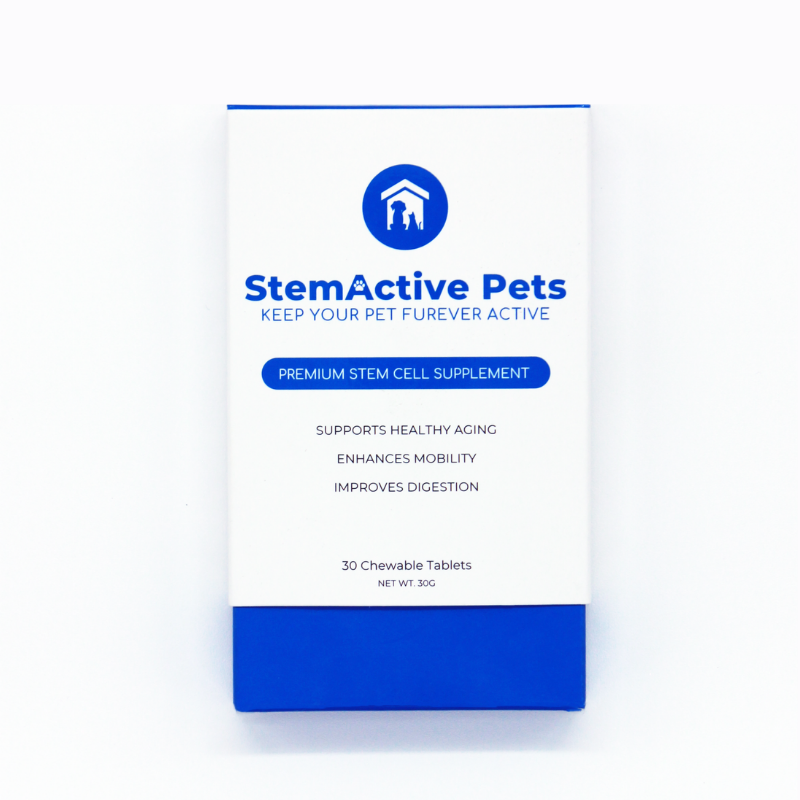
An active indoor life, a healthy weight and regular veterinary care are the foundation. Some owners also add a daily supplement as their cat gets older. StemActive Pets for cats is an optional daily chew from HealthyHome, positioned to support joint health and mobility as part of a healthy routine. It is an add-on, never a substitute for play, good food or veterinary care. If you are wondering whether your cat needs a supplement at all, our food-first guide do cats need supplements? walks through it. Talk with your veterinarian first if your cat has a health condition or takes medication.
FAQ: how to exercise an indoor cat
How much exercise does an indoor cat need?
Most indoor cats do well with two or three play sessions a day of about 10 to 15 minutes each. Kittens often want more, and senior cats may prefer shorter, gentler sessions.
What is the best toy to exercise a cat?
A wand toy with feathers or a small fabric prey on the end is the classic choice, because you can make it move like a mouse or bird. Put it away after play so your cat cannot chew the string.
How can I exercise my cat if I work all day?
Play for a few minutes before you leave and again in the evening, and give your cat climbing spots, scratchers and food puzzles to use while you are out.
Can I walk my cat on a leash?
Some cats enjoy it. Use a cat harness, introduce it slowly indoors first, and keep outings calm and short. Not every cat will take to it, and that is fine.
Should my senior cat still exercise?
Yes, at a gentler pace. Keep toys low, use shorter sessions and add ramps or steps. Ask your veterinarian about any change in how your cat moves or jumps.
Shop or Join (All In Enterprises, LLC)
HealthyHome handles payment, shipping, and fulfillment. All In Enterprises, LLC are independent distributors.
Shop StemActive Pets · Join & Get Member Pricing
Shop for customer pricing. Join for member pricing and the optional ability to share; earnings are never guaranteed. Many members enroll only for pricing.
FurEverYoung.shop is operated by All In Enterprises, LLC, independent HealthyHome distributors. StemActive Pets is a HealthyHome product. This content is for pet wellness education only and is not veterinary advice. These statements have not been evaluated by the Food and Drug Administration. This product is not intended to diagnose, treat, cure, or prevent any disease.